
Simple, special, strong design aimed at making brands and ideas grow


New work


Selected work




News
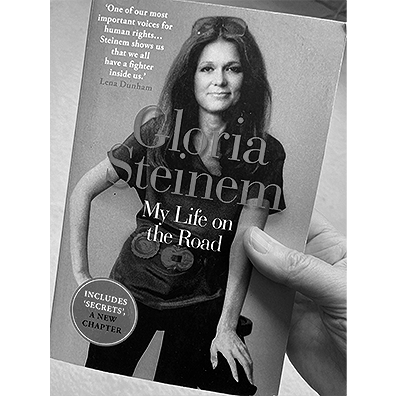
Gloria Steinem | My Life on the Road | A memoir | Books to read
2026
Gloria Steinem’s memoir My Life on the Road reflects her lifelong activism for women’s equality. She helped challenge discriminatory laws and practices, advocated for reproductive rights, equal employment, and constitutional equality, and co-founded the National Women’s Political Caucus. Through journalism, organising, and public advocacy, Steinem helped push women’s rights into mainstream political debate. Her memoir emphasises that lasting legal and social change requires collective action, persistence, and challenging entrenched gender inequality.
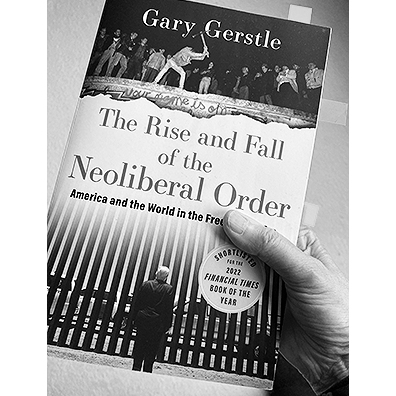
Gary Gerstle | The Rise and Fall of the Neoliberal Order | Non fiction | Books to read
2026
Gary Gerstle’s The Rise and Fall of the Neoliberal Order identifies two clear ideological periods in recent modern American history: The first is the social democratic New Deal order, dominant from the end of WWII through the 1970s, emphasising big government, collective responsibility and economic security. It was followed by a neoliberal order centred on markets, individualism and limited government. This order weakened significantly after the 2008 financial crisis, revealing its contradictions.
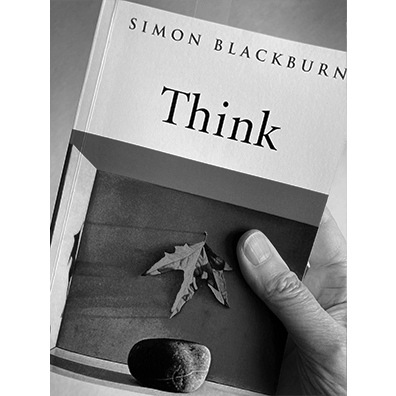
Simon Blackburn | Think: an Introduction to Philosophy | Non fiction | Books to read
2026
Simon Blackburn’s Think: An Introduction to Philosophy offers a deceptively basic introduction to philosophy, presenting major questions about knowledge, morality, free will, mind, and reality in an accessible way. However, its apparent simplicity can be misleading: Blackburn frequently relies on long, meandering sentences and densely developed arguments that obscure rather than clarify his meaning. The book is intellectually ambitious, but its convoluted prose may frustrate readers seeking a straightforward introduction to philosophical thinking.